
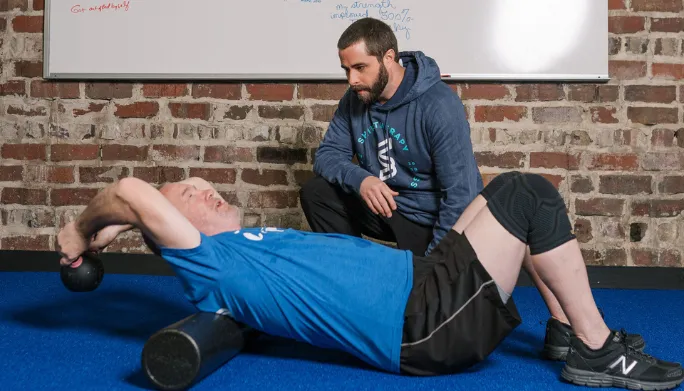
Your headache may be starting in your neck.
Cervicogenic headaches are headaches caused by dysfunction in the cervical spine, specifically the upper cervical joints (C1-C3), the suboccipital muscles, and the tissues that connect the neck to the base of the skull. The pain is referred upward into the head through well-documented anatomical pathways.
Many patients who have been diagnosed with migraines, and have not responded well to medication, are actually experiencing cervicogenic headaches. The distinguishing feature is that the pain is reliably worsened by neck movement and often accompanied by restricted cervical rotation on the same side as the headache.
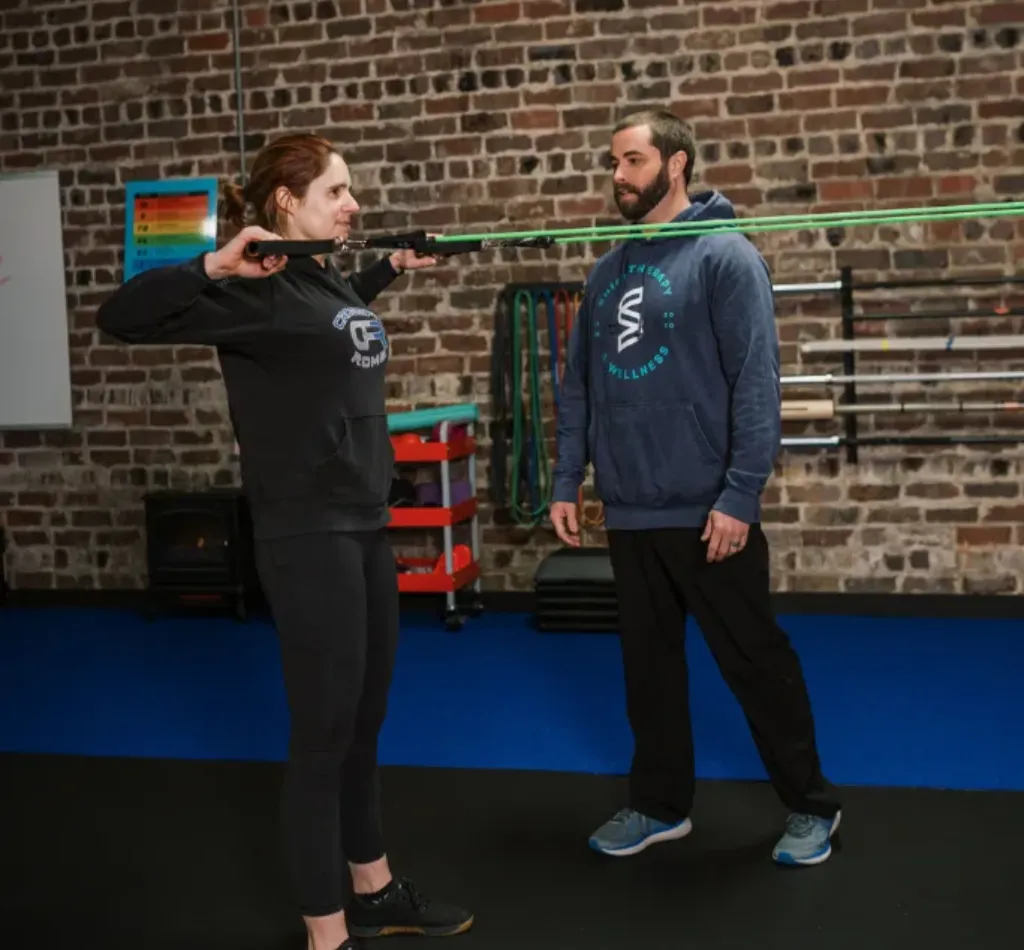
Signs that your headache has a cervical source.
Several features distinguish cervicogenic headaches from primary migraine. If these apply to you, a PT assessment is warranted before pursuing further medical management.
One-Sided Headache
Pain on one side of the head that does not switch sides, following the referred pain pattern of a specific cervical level.
Neck Stiffness
Restricted cervical rotation on the same side as the headache, often the most reliable indicator of cervicogenic source.
Worsened by Neck Movement
Headache that reliably increases with sustained neck positions like looking down at a phone or working at a screen.
Suboccipital Tenderness
Tenderness at the base of the skull on palpation, often reproducing the familiar headache pain exactly.
Dull, Non-Throbbing Character
A dull, pressure-like headache rather than the pulsating quality of vascular migraine, though both can co-exist.
Postural Correlation
Headaches that worsen toward the end of a workday at a desk, after long drives, or with any sustained forward head posture.
Treat the neck. Resolve the headache.
Cervicogenic headache treatment at Shift Therapy & Wellness targets the specific cervical joints and tissues generating the pain. Upper cervical manual therapy, joint mobilization of C1-C3, is the most evidence-supported intervention for cervicogenic headache and consistently produces rapid symptom reduction.
Alongside joint work, we address the suboccipital muscles with dry needling when trigger points are contributing, correct thoracic stiffness that loads the cervical spine, and educate on the postural and ergonomic factors that perpetuate the problem.
No referral needed. Most insurances accepted. In most cases, you can be seen within the same week.
What our patients say.
"Very professional, personable, and I fully enjoy my PT there. Would recommend to anyone."Art J. · Verified Google Review