

The injury was the last event in a long story.
Acute sports injuries, ligament sprains, muscle tears, stress fractures, feel like they come out of nowhere. But the tissue that fails has usually been accumulating stress for months: altered mechanics, training load spikes, mobility deficits, or strength asymmetries that gradually exceeded the tissue tolerance threshold.
Understanding this matters for two reasons: it shapes how we rehabilitate the injury, and it determines what we do before you go back to full activity to reduce the risk of re-injury significantly.
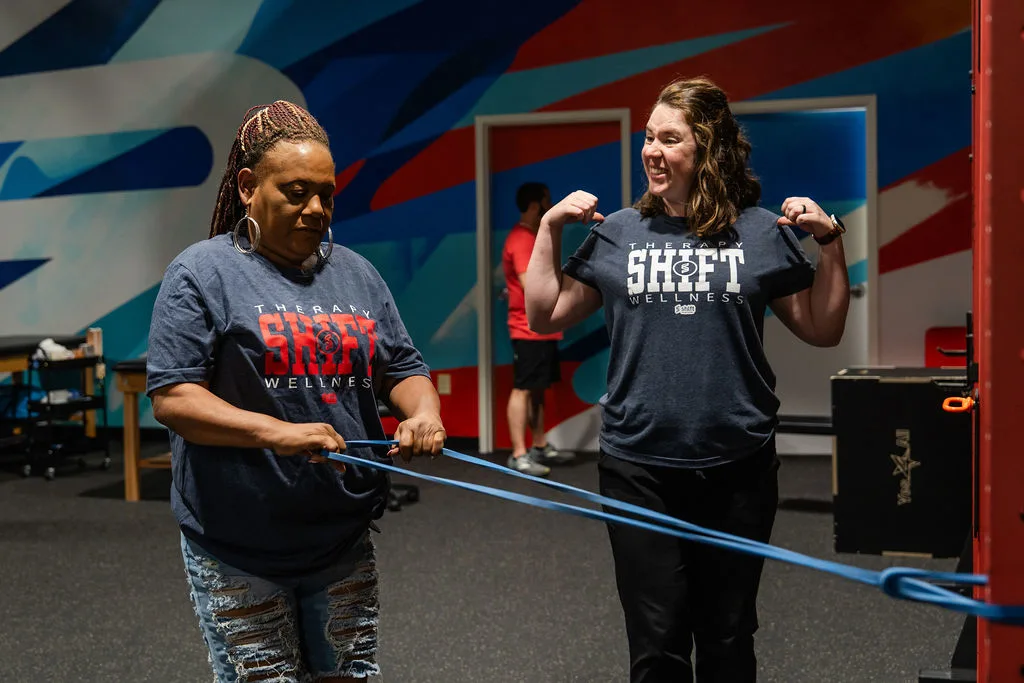
Sports injuries range from acute to chronic overuse.
Whether you heard a pop, felt a sudden give, or noticed gradual onset with training, the assessment process starts with understanding exactly what happened and how.
Ligament Sprains
Stretching or tearing of the stabilizing ligaments around the ankle, knee, or shoulder, often with a pop or give.
Muscle Strains
Partial or complete tears in muscle or tendon tissue, from hamstrings and quads to the rotator cuff and calf.
Stress Reactions
Bone stress injuries from repetitive loading, particularly in runners, gymnasts, and multisport athletes.
Tendinopathy
Chronic tendon overload producing pain with loading, patellar, Achilles, rotator cuff, and elbow tendons most commonly.
Joint Instability
A sensation of the joint giving way or being unreliable, particularly in the ankle, knee, or shoulder.
Performance Decline
Gradual reduction in power output, speed, or sport-specific performance, often the first sign of overuse injury developing.
From injured to tested and cleared.
Sports injury treatment at Shift Therapy & Wellness follows a criteria-based model, not a calendar. We establish objective performance benchmarks at the start, define return-to-sport criteria, and progress you through loading stages that match the demands of your specific sport.
This is paired with analysis of the contributing factors, the mechanics, strength deficits, or training patterns that allowed the injury to occur. Without addressing these, the same tissue faces the same risk when you return.
No referral needed. Most insurances accepted. In most cases, you can be seen within the same week.
What our patients say.
"I appreciate the personalized approach and the plan tailored to my particular needs and goals."Vicki F. · Verified Google Review